
Fall has a way of changing what we crave.
Fresh summer salads make room for roasted vegetables, steaming soups, baked apples, and warming spices. Farmers’ markets fill with pumpkins, squash, pears, and root vegetables, offering a different selection of seasonal ingredients.
For many people, autumn also brings renewed interest in wellness.

Perhaps you’re thinking about your nutrition after a busy summer. Maybe you want to establish a healthier routine before the holiday season begins.
Whatever your motivation, the most useful starting point is not an elaborate supplement stack.
It’s understanding what your body actually needs.
Fall wellness begins with nourishing food, consistent habits, and thoughtful nutrition choices—not the assumption that changing seasons automatically require new supplements.
Do Your Nutritional Needs Change in Fall?
Your body needs essential nutrients throughout the year.
Vitamins, minerals, proteins, carbohydrates, and fats support normal physiological functions regardless of the season.
However, what you eat and how you spend your time may change.
Shorter days might mean more indoor meals and fewer outdoor activities.
Busy autumn schedules can also make meal planning feel more difficult.
These shifts may influence dietary variety.
Seasonal changes don’t automatically create deficiencies
It’s important not to assume that everyone needs additional vitamins or minerals when summer ends.
Nutritional needs depend on age, dietary patterns, health conditions, and other individual factors.
Some adults may benefit from specific supplements when intake is inadequate.
Others can meet their needs through food.
A thoughtful fall wellness routine begins with assessing your actual habits.
The Nutritional Value of Autumn Produce
Fall offers many foods that fit naturally into balanced nutrition.
Pumpkins and winter squash provide carotenoids, including compounds the body can convert into vitamin A.
Apples and pears contribute fiber.
Leafy vegetables provide vitamins and minerals, while beans and lentils supply fiber and plant-based protein.
These ingredients can become the foundation of warming, satisfying meals.
Why food variety matters
Different foods contribute different combinations of nutrients.
A plate containing several food groups is generally more nutritionally diverse than one built around a single ingredient.
Instead of labeling a particular food a “superfood,” focus on incorporating a range of options.
For example, prepare a lentil soup with carrots and spinach, or serve roasted squash with whole grains and beans.
These meals offer comfort while contributing useful nutrients.
Ginger: A Familiar Fall Ingredient With a Long History
Few ingredients capture the feeling of cooler weather quite like ginger.
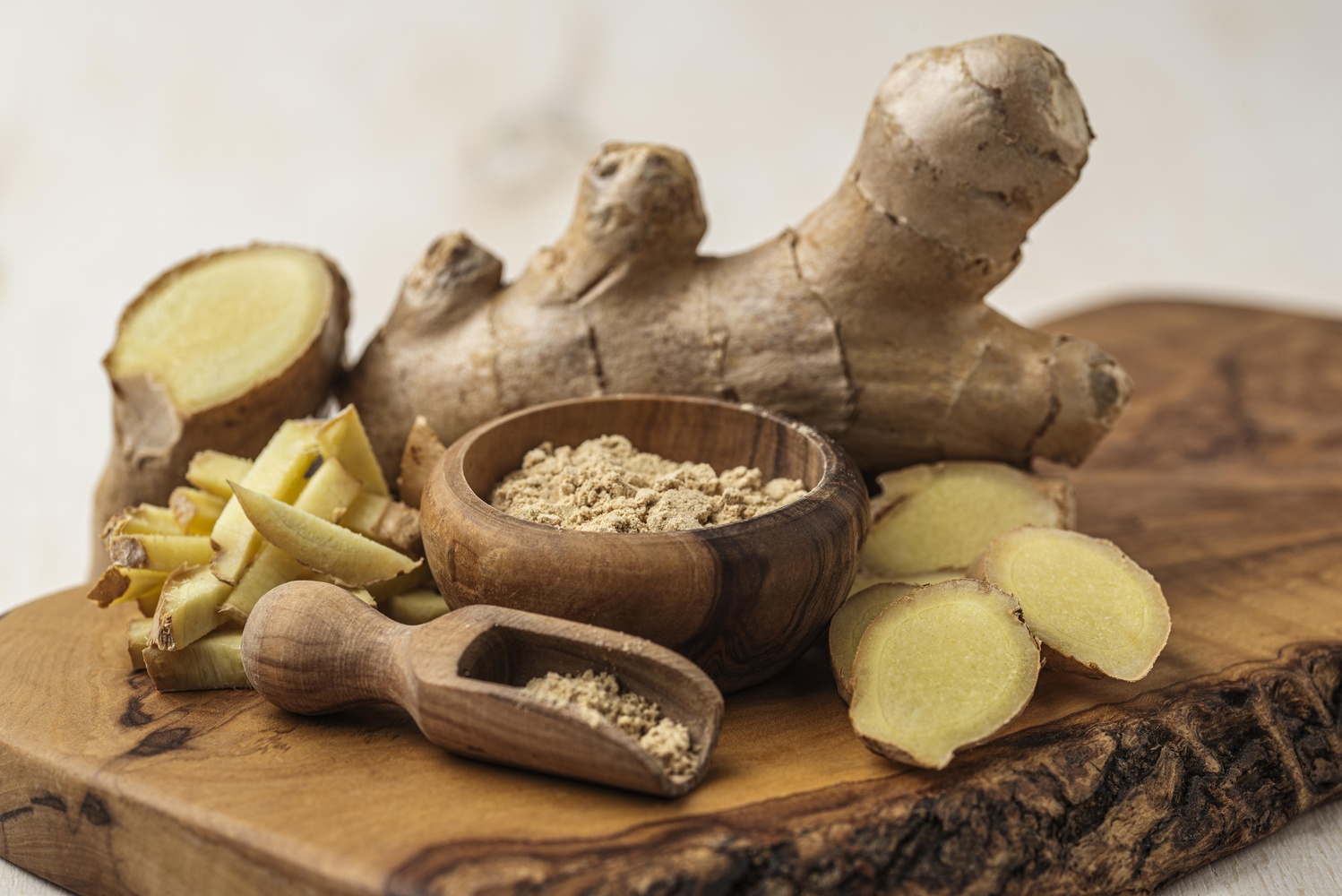
Its warm, slightly spicy flavor appears in tea, soups, baked goods, and seasonal recipes.
Ginger comes from the underground stem of Zingiber officinale.
It has been used as a culinary ingredient and in traditional wellness practices for centuries.
Modern researchers have investigated ginger for several possible health-related effects.
What does the science actually support?
Research has examined ginger for certain forms of nausea, with evidence differing by the situation.
Studies have also explored its naturally occurring compounds, including gingerols and shogaols.
However, laboratory antioxidant activity doesn’t automatically establish meaningful health benefits from supplementation.
Ginger shouldn’t be presented as a universal digestive treatment or a guaranteed immune booster.
VITAL HERBAL Ginger: An Ingredient-Focused Option
VITAL HERBAL Ginger offers a supplement option for adults interested in ginger-based botanical nutrition.
Its role in an autumn wellness article comes from the ingredient’s traditional use and modern research background.
The exact extract type, serving amount, and accompanying ingredients should be verified before making product-specific statements.
People taking medication or managing medical conditions should review supplement use with a qualified healthcare professional.
Quercetin: Understanding Plant Antioxidants
Quercetin is a naturally occurring flavonoid found in several foods.
Apples, onions, berries, and certain vegetables can contribute quercetin to the diet.
Researchers have investigated its biological activity, including antioxidant-related pathways.
This has made quercetin a familiar name in discussions about plant nutrition.
Does antioxidant activity mean better immunity?
Not automatically.
The word antioxidant describes certain chemical activities, but it doesn’t prove that consuming a supplement prevents illness or improves immunity.
The body has its own complex antioxidant defense systems.
These systems depend on many nutrients and normal biological processes.
Human studies are needed to determine whether a specific quercetin preparation offers a meaningful benefit for a particular outcome.
VITAL HERBAL Quercetin: Choosing the Right Product
VITAL HERBAL offers several Quercetin listings, including different capsule-count versions.
For consumers exploring this ingredient, the current label should be reviewed to confirm the exact formulation and serving amount.
A larger bottle doesn’t necessarily indicate a different clinical effect.
The most useful comparison involves ingredient transparency, quality information, and whether supplementation is appropriate.
Why Ginger and Quercetin Make Different Contributions
Ginger and quercetin are both plant-derived, but that doesn’t mean they are interchangeable.
Ginger is a botanical food ingredient containing several naturally occurring compounds.
Quercetin is a specific flavonoid found in many plants.
Their research histories involve different preparations and questions.
They may appear together in discussions about botanical wellness, but combining them doesn’t automatically establish stronger antioxidant or immune-related effects.
This distinction matters when evaluating all-in-one supplements.
How to Enjoy a More Nourishing Autumn
A practical autumn nutrition routine doesn’t need to be complicated.
Start by examining the meals you already enjoy.
If you love soup, consider adding beans, lentils, or extra vegetables.
If you prefer oatmeal, combine it with fruit, nuts, or yogurt for greater variety.
If you enjoy warm drinks, try making ginger tea as a flavorful beverage rather than treating it as a medical intervention.
Keep meals satisfying
Seasonal comfort foods can be part of a balanced diet.
You don’t need to avoid bread, potatoes, or other carbohydrate sources.
Instead, combine foods to meet your nutritional needs.
A satisfying meal should provide enough energy to support your daily activities.
Maintain movement during cooler months
Regular activity supports general health and physical function.
Walking outside, attending a fitness class, or doing basic home exercises can help keep movement part of your routine.
Autumn weather may encourage different activities, but it doesn’t require abandoning exercise.
Make time for rest
Busy schedules can affect how consistently you sleep.
Adequate rest supports normal immune function, attention, and recovery.
No supplement can replace the many biological processes that occur during sleep.
Should You Add Fall Wellness Supplements?
The answer depends on your needs.
If your diet is varied and you’re generally healthy, you may not require additional products simply because the season has changed.
If you’re interested in ginger, quercetin, or other botanicals, begin by understanding their evidence and safety information.
Read beyond the front label
Look for the botanical name, extract information, serving amount, and accompanying ingredients.
Be cautious with broad claims such as “seasonal protection” or “immune defense” when they imply prevention of illness.
Supplements are not substitutes for preventive healthcare, appropriate nutrition, or medical treatment.
The most responsible wellness choices are based on evidence rather than seasonal marketing pressure.
Frequently Asked Questions
Do I need new supplements when fall begins?
Not necessarily. Supplement needs depend on individual nutritional intake and health circumstances rather than the season alone.
Is ginger helpful for digestion?
Ginger has been studied for certain forms of nausea, but benefits depend on the preparation and situation. It isn’t a universal digestive treatment.
What foods naturally contain quercetin?
Apples, onions, berries, and several vegetables contain quercetin.
Can quercetin prevent seasonal illnesses?
Evidence does not establish that quercetin supplements prevent colds or other seasonal illnesses.
Are botanical blends better than individual ingredients?
Not automatically. Their safety and effectiveness depend on the complete formulation and supporting evidence.
Conclusion: Autumn Nourishment Begins With Everyday Choices
Autumn offers an opportunity to reconnect with satisfying meals, seasonal produce, and healthy routines.
Ginger and quercetin are interesting botanical ingredients with different nutritional and scientific backgrounds.
For those exploring supplements, VITAL HERBAL provides ingredient-focused options worth evaluating carefully.
But the foundation of fall wellness remains simple: varied nutrition, enjoyable movement, sufficient rest, and informed choices.
Explore VITAL HERBAL Botanical Wellness
Discover VITAL HERBAL Ginger and Quercetin, compare their labels, and explore the ingredients behind modern botanical nutrition.
Let the season inspire a more nourishing routine, one thoughtful choice at a time.