When beetroot appears in wellness articles, nitric oxide tends to dominate the conversation.
It’s easy to understand why.
Researchers have investigated dietary nitrate from beetroot for exercise and vascular-related outcomes.
But beetroot offers more than a single compound.
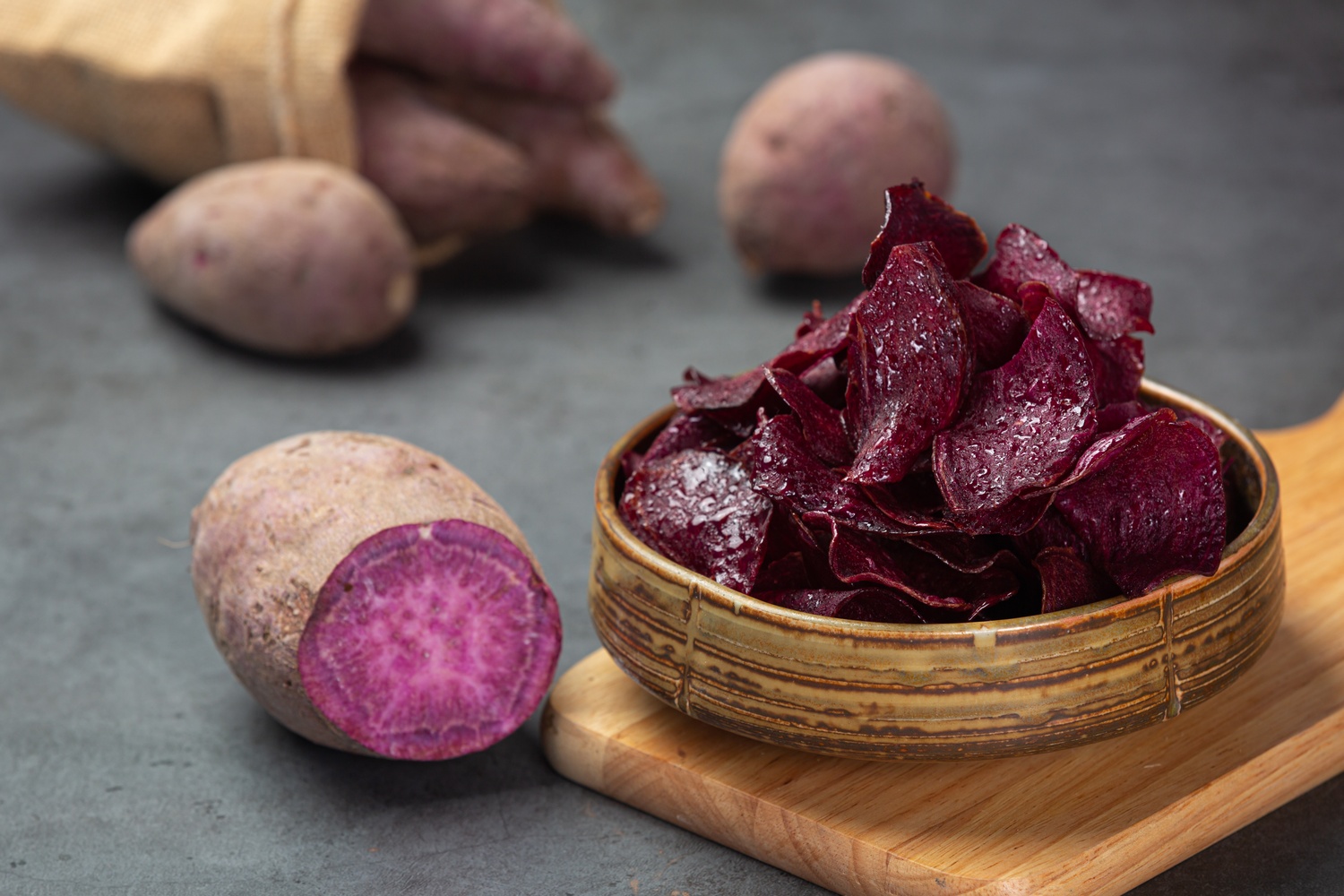
It’s also a versatile vegetable with naturally occurring fiber, vitamins, minerals, and colorful plant pigments.
As nutrition conversations move into 2027, understanding the whole food can be more valuable than focusing exclusively on one supplement ingredient.
What Is Beetroot?
Beetroot comes from Beta vulgaris, a plant cultivated in several varieties.
The familiar red-purple root is commonly roasted, boiled, blended, or pickled.
Golden beets and other varieties are also available.
Its earthy flavor and natural sweetness make it suitable for both savory and sweet recipes.
Where does the red color come from?
The recognizable red-purple pigments in beetroot are called betalains.
These naturally occurring compounds contribute to the vegetable’s distinctive appearance.
Scientists have investigated betalains for different chemical and biological properties.
However, their laboratory activity doesn’t automatically establish measurable health benefits from supplements.
Beetroot and Dietary Fiber
Whole beetroot contains fiber.
Fiber contributes to normal digestive function.
Certain fibers can also be used by microorganisms in the digestive tract.
Including a variety of fiber-containing foods is an important part of a balanced diet.
Whole beets vs. beetroot juice
These formats can provide different nutritional profiles.
Whole beets generally retain dietary fiber.
Juicing can remove some or much of the fiber, depending on the method.
Beetroot juice may still contain other nutrients and nitrate, but it isn’t nutritionally identical to the whole vegetable.
This is one reason food form matters.
Folate and Everyday Nutrition
Beetroot naturally contains folate, a B vitamin needed for normal cell division and other functions.
Folate participates in processes involving DNA synthesis and normal tissue development.
Adequate folate is particularly important during periods of rapid growth and development.
However, eating beetroot doesn’t mean a person can rely on it alone to meet all nutritional requirements.
A varied diet remains essential.
Potassium and Normal Body Function
Beets also provide potassium.
Potassium contributes to normal muscle and nerve function and fluid balance.
Other foods, including beans, potatoes, bananas, and leafy vegetables, can provide potassium.
A balanced eating pattern is more useful than focusing on beetroot as a single source.
People with kidney conditions or specific dietary restrictions may require individualized advice about potassium intake.
Betalains and Antioxidant Research
Plant pigments often attract attention because of their chemistry.
Betalains have demonstrated antioxidant-related activity in laboratory settings.
But antioxidant activity does not prove that a food or supplement prevents disease or reverses aging.
The human body relies on complex protective systems involving many nutrients and biological processes.
Beetroot can contribute to dietary variety without needing dramatic antioxidant claims.
What About Nitric Oxide?
Beetroot’s dietary nitrate content remains an important research topic.
Some nitrate can be converted into nitric oxide through normal physiological processes.
Researchers have investigated nitrate-rich beetroot preparations for selected exercise and vascular-related outcomes.
However, the amount of nitrate varies across preparations.
Not every beetroot food or supplement provides a standardized research-equivalent amount.
VITAL HERBAL Quercetin: Another Plant Compound Worth Understanding
Quercetin is a flavonoid found naturally in foods such as apples and onions.
It has attracted scientific interest because of its biological activity.
VITAL HERBAL Quercetin provides a separate botanical ingredient category for consumers exploring plant compounds.
Quercetin and beetroot betalains are not interchangeable.
Nor does their shared association with antioxidant research prove that taking them together produces additional benefits.
The exact formulation of the VITAL HERBAL product should be confirmed before making specific claims.
VITAL HERBAL Ginger: Culinary and Botanical Wellness
Ginger is another familiar food ingredient with a long history of culinary use.
Its naturally occurring compounds include gingerols and shogaols.
Researchers have investigated different ginger preparations for a range of outcomes.
VITAL HERBAL Ginger is relevant to this ingredient-focused nutrition discussion.
However, it shouldn’t be presented as a proven substitute for beetroot or a way to enhance beetroot’s nitrate activity.
How to Enjoy Beetroot in Everyday Meals
Roast beet wedges with olive oil and herbs.
Add diced beets to grain bowls.
Pair beetroot with lentils, greens, and a protein-rich food.
Use small amounts in smoothies if you enjoy the flavor.
These meals can support dietary variety.
They also allow you to appreciate beetroot as food rather than expecting it to act as a treatment.
Beetroot Safety and Individual Needs
Beetroot can temporarily color urine or stool red in some people.
Beets also contain oxalates, which may matter for individuals with certain kidney stone histories.

Those with relevant medical conditions should seek individualized nutrition guidance.
Concentrated supplements require additional scrutiny, especially when a product’s nitrate amount is unclear.
Frequently Asked Questions
What nutrients are found in beetroot?
Whole beetroot provides fiber, folate, potassium, dietary nitrate, and naturally occurring plant pigments.
Is beetroot juice the same as eating whole beets?
No. Fiber and other nutritional characteristics may differ depending on processing.
What are betalains?
Betalains are pigments responsible for the red-purple and yellow colors of certain plants, including beetroot.
Does beetroot prevent aging?
There is insufficient evidence to claim that beetroot prevents or reverses aging.
Do I need beetroot supplements?
Not necessarily. Beetroot can be enjoyed as part of a varied diet without supplementation.
Conclusion: Beetroot Is More Than a Trendy Ingredient
Beetroot’s scientific appeal extends beyond nitric oxide.
Its fiber, folate, minerals, and plant pigments make it an interesting addition to a varied diet.
VITAL HERBAL Quercetin and Ginger introduce other botanical research areas, but they should not be confused with beetroot itself.
For 2027, an informed approach to plant nutrition begins with appreciating foods in their full nutritional context.
Explore VITAL HERBAL Botanical Nutrition
Discover VITAL HERBAL Quercetin and Ginger and learn more about the science behind familiar plant ingredients.
Nutrition is more than one compound. Variety matters.