Some botanical ingredients become famous because of a new wellness trend.
Others have been part of traditional food cultures for generations before appearing in modern supplements.
Bitter melon belongs to the second group.
Known for its unusual shape, distinctive bitterness, and long culinary history, this vegetable has attracted renewed scientific interest.
As consumers become more curious about plant-based nutrition in 2027, bitter melon offers a useful lesson about the relationship between traditional knowledge and modern research.
But its history also raises an important question: How much can traditional use actually tell us about a supplement’s effectiveness?
What Is Bitter Melon?
Bitter melon is the fruit of Momordica charantia, a vine belonging to the gourd family.
It is commonly called bitter gourd, karela, or ampalaya in different regions.
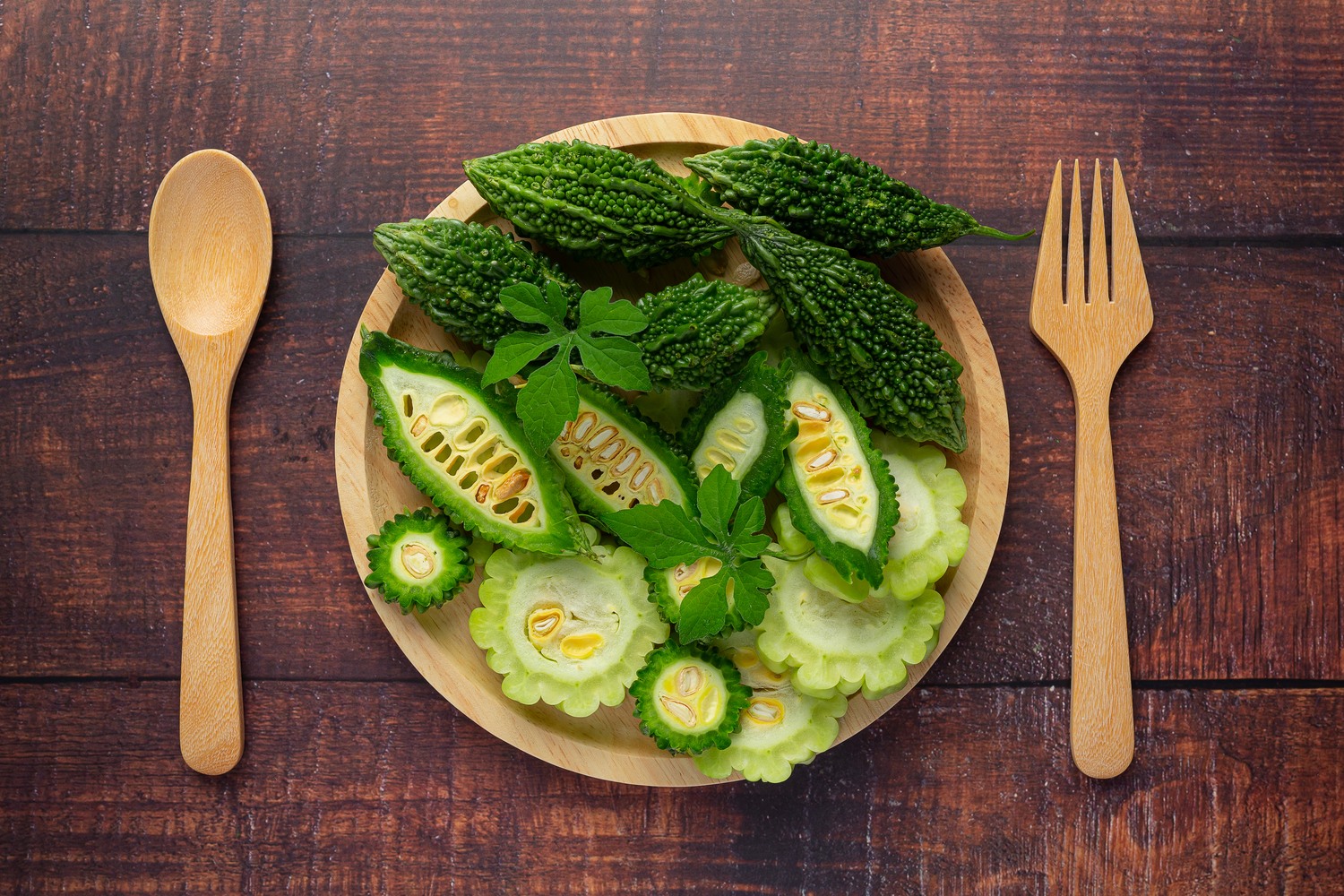
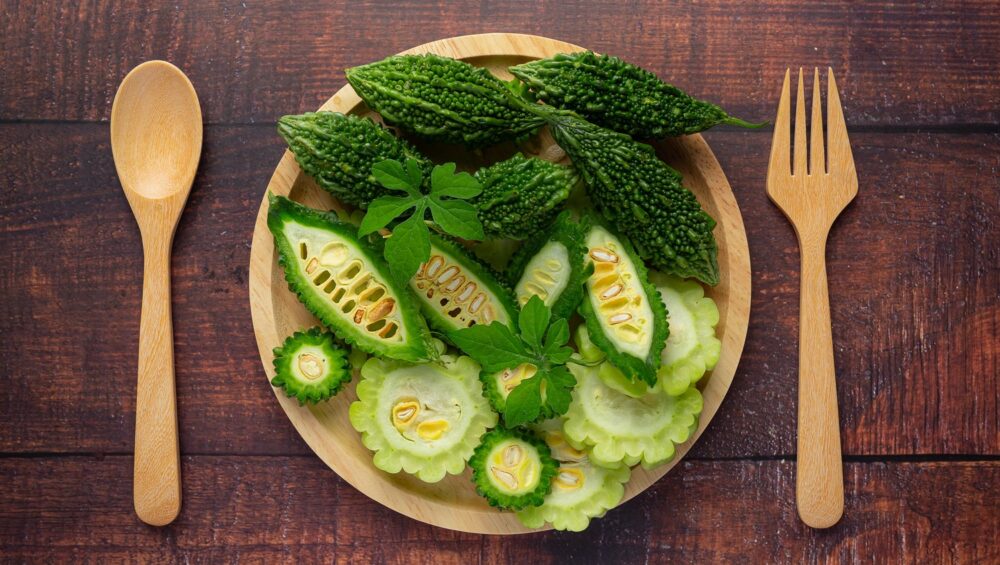
The fruit is usually green when immature and has a recognizable uneven surface.
Its flavor is notably bitter.
This makes it an interesting culinary ingredient because many recipes balance the bitterness with savory, aromatic, or acidic flavors.
Bitter Melon in Traditional Food Cultures
Bitter melon appears in many cuisines, including South Asian, Southeast Asian, and East Asian cooking.
It may be stir-fried, stuffed, added to soups, or cooked with eggs and other vegetables.
These preparations demonstrate its value as a traditional food.
However, a long history of consumption does not prove that concentrated bitter melon supplements provide specific health benefits.
Why traditional knowledge matters
Traditional practices can help researchers identify plants worth investigating.
Scientists may then examine their chemical composition and biological activity.
But clinical evidence requires more than historical familiarity.
Researchers must study defined preparations under appropriate conditions.
What Nutrients Does Bitter Melon Contain?
Whole bitter melon provides a mixture of nutrients and plant compounds.
Depending on preparation, it may contribute vitamin C, dietary fiber, folate, and other nutrients.
Vitamin C has established roles in normal collagen formation and antioxidant function.
Fiber contributes to digestive health.
Folate participates in normal cell division and other biological processes.
These nutritional roles are different from claims that a bitter melon supplement treats a medical condition.
Whole fruit vs. concentrated extract
The nutritional profile of whole fruit is not identical to that of a capsule.
Processing may alter the amount of fiber, water, and other components.
Extracts may concentrate some compounds while containing less of other naturally occurring substances.
Consumers should not assume that a high extract ratio means a product is nutritionally equivalent to eating a large quantity of vegetables.
Modern Research on Bitter Melon
Researchers have investigated bitter melon for possible effects on glucose-related metabolic measurements.
Some studies suggest potential activity.
Others find limited or inconsistent results.
Systematic reviews have highlighted differences between study designs and preparations.
The evidence remains insufficient to recommend bitter melon as a replacement for established medical treatment.
Why study quality matters
A laboratory experiment can identify possible mechanisms.
An animal study may provide further information.
But a human clinical trial is needed to evaluate specific outcomes in people.
Each research stage answers different questions.
Understanding that distinction helps avoid turning preliminary findings into exaggerated supplement claims.
VITAL HERBAL Berberine: Another Traditional Botanical Research Topic
VITAL HERBAL Berberine is relevant to consumers exploring the relationship between botanical ingredients and modern metabolic research.
Berberine is an alkaloid found in several plants.
It has a different chemical identity from bitter melon.
Although both are associated with traditional botanical histories, their research findings cannot be treated as interchangeable.
The current VITAL HERBAL Berberine label should be reviewed for its ingredient form and serving amount.
VITAL HERBAL Ceylon Cinnamon: From Kitchen to Research
Ceylon cinnamon has an equally familiar place in traditional cooking.
It comes from Cinnamomum verum.
Researchers have investigated cinnamon preparations for several biological properties, including glucose-related outcomes.
However, the evidence is inconsistent.
VITAL HERBAL Ceylon Cinnamon provides a separate example of how an everyday food ingredient can enter modern supplement discussions.
Its botanical identity and preparation matter when evaluating scientific claims.
Why Plant Ingredients Shouldn’t Be Overgeneralized
Bitter melon, berberine, and cinnamon have different chemical compositions.
A shared history of traditional use doesn’t make them equivalent.
Even when studies investigate similar measurements, the results may differ.
Combining these ingredients doesn’t establish greater effectiveness without direct research.
Consumers should prioritize accurate botanical identification, clear amounts, and evidence relevant to each preparation.
Bringing Bitter Melon Into Everyday Meals
Bitter melon can be cooked with garlic and eggs.
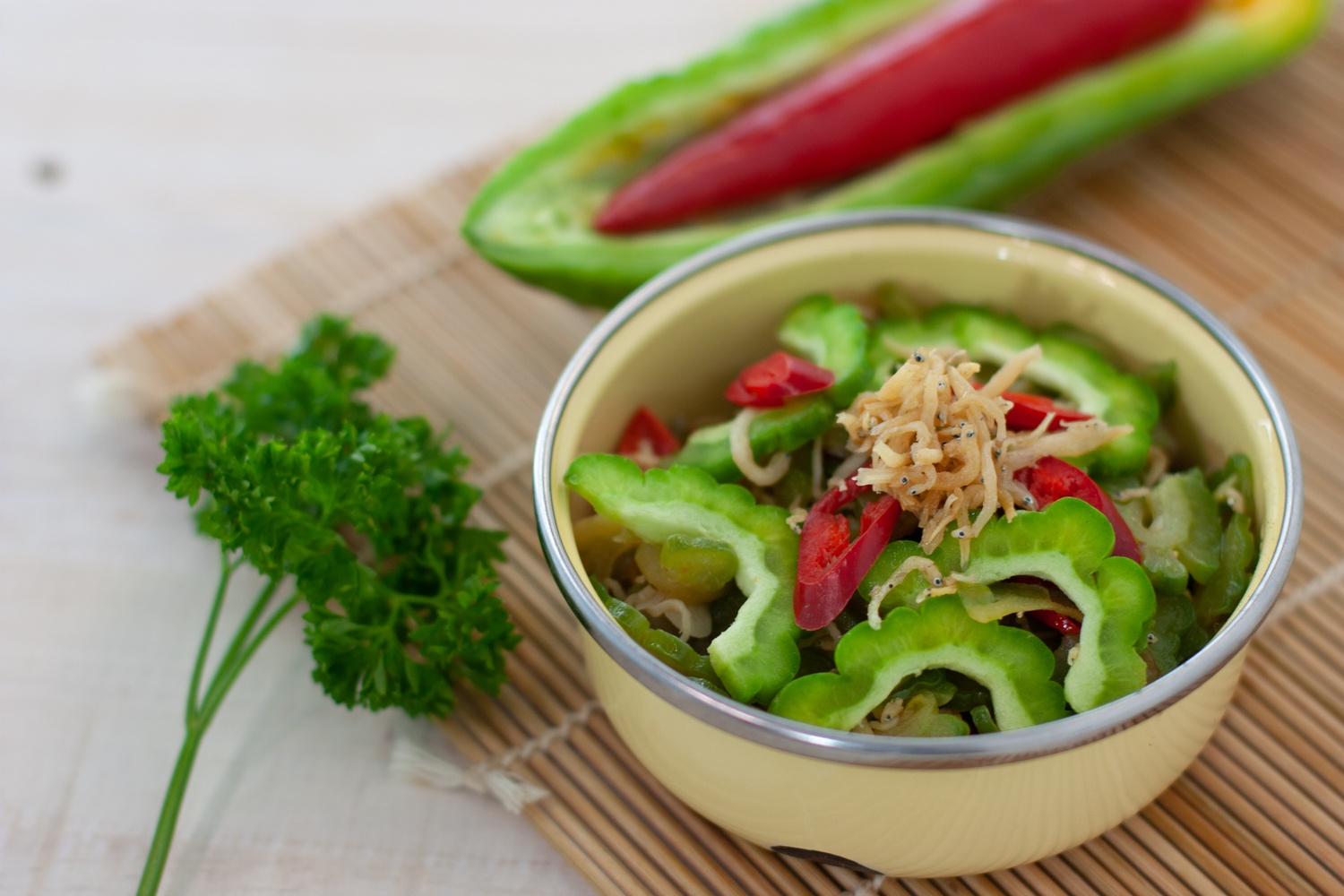
It can also be added to savory soups or stuffed with other ingredients.
Blanching and careful preparation can moderate its strong flavor.
For people who enjoy exploring traditional vegetables, bitter melon offers an opportunity to diversify meals.
But food preparation shouldn’t be treated as a substitute for medical care.
Frequently Asked Questions
Where is bitter melon traditionally eaten?
It appears in several Asian and other regional cuisines, often in stir-fries, soups, and savory dishes.
Why is bitter melon bitter?
Its distinctive flavor is associated with naturally occurring plant compounds.
Does bitter melon contain vitamin C?
Whole bitter melon can provide vitamin C, although its nutrient content depends on preparation.
Is bitter melon scientifically proven for metabolic health?
Human evidence remains inconsistent, and it is not an established treatment.
Are berberine and cinnamon similar to bitter melon?
They are different botanical substances with distinct compositions and research histories.
Conclusion: Tradition Can Inspire Research, but It Doesn’t Replace It
Bitter melon provides a fascinating example of how an ordinary food can become an important topic in modern botanical research.
Its culinary heritage, nutrients, and natural compounds are worth understanding.
VITAL HERBAL Berberine and Ceylon Cinnamon offer two additional examples of traditional ingredients investigated by modern scientists.
For 2027, better botanical education begins by respecting both cultural history and scientific limitations.
Explore VITAL HERBAL Botanical Science
Discover VITAL HERBAL Berberine and Ceylon Cinnamon and learn more about traditional plants, modern research, and informed supplement choices.
Nature inspires discovery. Evidence guides decisions.